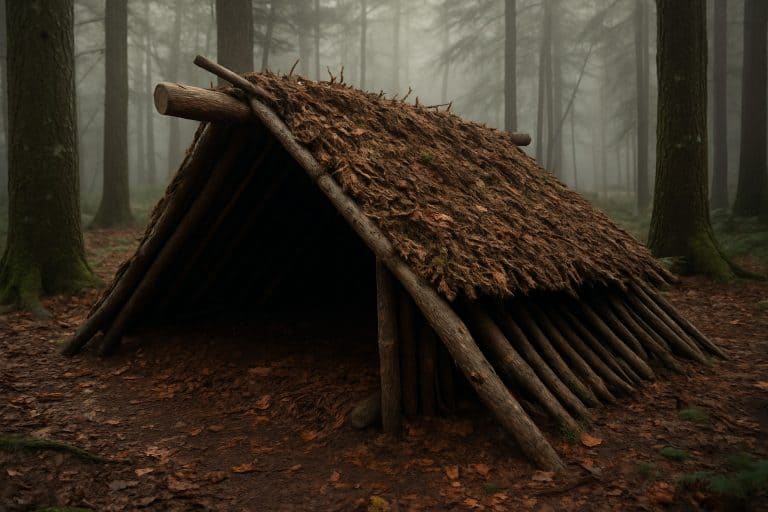
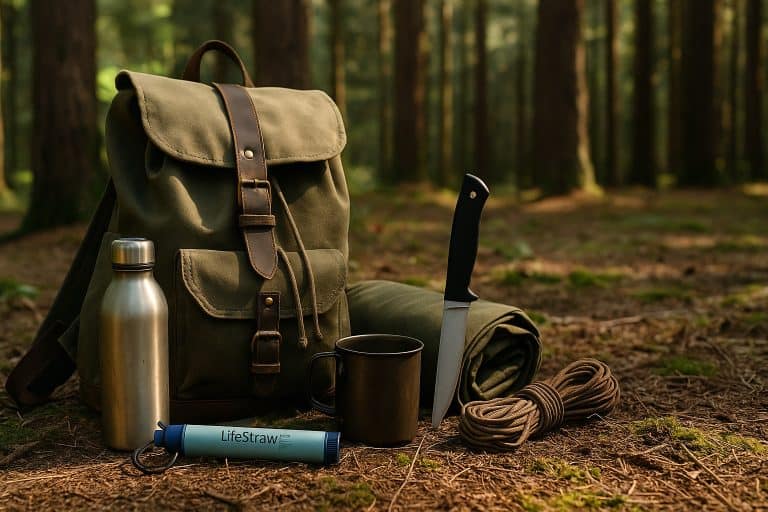
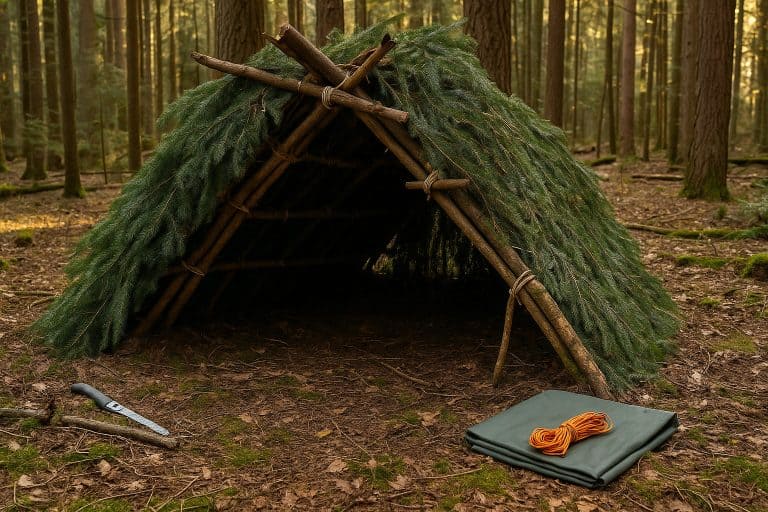
Bushcraft is a term used to describe the skills and abilities required to survive or make do in the wilderness. It has been made popular lately by several TV shows and the prepper and survivalist movements. Many people use bushcraft skills. Hikers, campers, hunters, and almost anyone else that spends considerable time outdoors in the forest will have some of the skills included in the umbrella that is bushcraft. Tracking, fire craft, hunting, fishing, making a shelter—these are all skills included in bushcraft.
Why Learn Bushcraft?
The value of bushcraft knowledge and gear is directly proportional to how much time you spend in the wilderness. First, I should explain what I am referring to as wilderness. I am not talking about regular camping at your local state park. I enjoy camping with my family at state parks and developed campgrounds, but you don’t need to know how to purify water, for example, if your campsite has an RV hookup with a hose bib close by.
It is helpful to know how to start a fire, but starting a fire with seasoned firewood in a fire pit with lighter fluid and a grill lighter is a much different thing than trying to start a fire with a bow and drill after a heavy downpour. So knowledge level needed is proportional to where you will be staying and for how long.
Even casual campers and outdoorsmen should have enough bushcraft knowledge to serve them if there was an emergency while out in the wild. No one plans on getting lost while hiking, but it happens all the time. Knowledge is also the only thing that you have to fall back on if you have an equipment failure.
The more knowledge you have, the less equipment that is essential to your enjoyment/survival:
- Many people can enjoy a hiking or camping trip with an SUV full of equipment
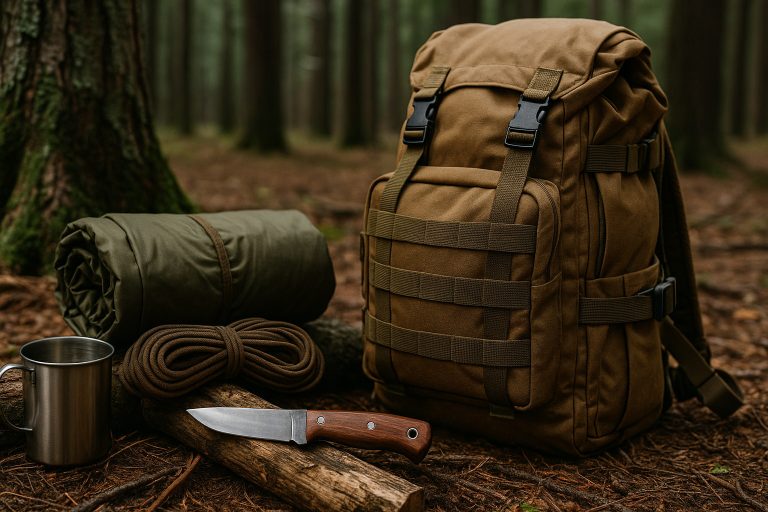
- More seasoned outdoorsmen can thrive with nothing more than a backpack’s worth of equipment
- A very experienced bushman can thrive with nothing more than a knife (if he or she knows how to knapp flint, they can survive with almost nothing at all)
Each step down in the amount of equipment requires more knowledge.
Basic Bushcraft Knowledge
The amount you need to know about bushcraft to function in the wilderness depends on the nature of your trip. Will you be traveling? If so, what mode of transportation will you be using? How you travel will limit the amount of gear you can take and thus increases the amount of knowledge you need.
How long will you be in the wild? If you are taking a day hike, you will not need to worry about sleeping arrangements. You also wouldn’t necessarily have to worry too much about food. If you don’t normally eat much and the hike isn’t in difficult terrain, you can certainly make it the majority of a day without eating. I have done it many times.
So, how do you know how much you need to know? The point I am trying to make is no one can say how much is the bare minimum you need to know. Anyone who plans on spending a significant amount of time outdoors should learn all they can and never stop learning.
I would say the bare minimum knowledge level is the one that keeps you alive. The measure commonly used in emergency situations is the 2, 2, 2 rule:
- The first 2 stands for two hours – the approximate amount of time you can be unprotected in adverse weather conditions before it becomes very detrimental to your health
- The second 2 stands for two days – the approximate amount of time you can survive without hydration
- The third 2 stands for two weeks – the approximate amount of time you can survive without some type of food
There are so many variables it is almost impossible to say what skill is the most important. That being said, there are some skills that can serve several functions. Firecraft, for example, can keep you warm and make drinking water safe. In my opinion, skills like firecraft that serve multiple needs are the most important.
Basic Bushcraft Gear
The basic equipment for bushcraft also depends on several factors. As we have already discussed, the level of knowledge one has will either increase or reduce the amount of equipment the outdoorsman or woman needs. Also, the nature and length of the trip or planned activity has a lot of bearing.
As I mentioned earlier, space is the biggest limiting factor to equipment. Think of bushcraft equipment like a mechanic thinks about tools. A single specialty wrench can turn a two-hour, knuckle-busting job into a thirty-minute walk in the park. Whether a tool deserves a place in the tool chest depends on how often the mechanic does that job, and how much room he has in the toolbox.
The concept for bushcraft gear is the same, except a mechanic can always find room for one more wrench. On the other hand, for the bush crafter, space is normally at a premium. The majority of people engaged in these activities have to carry everything they need with them in a backpack.
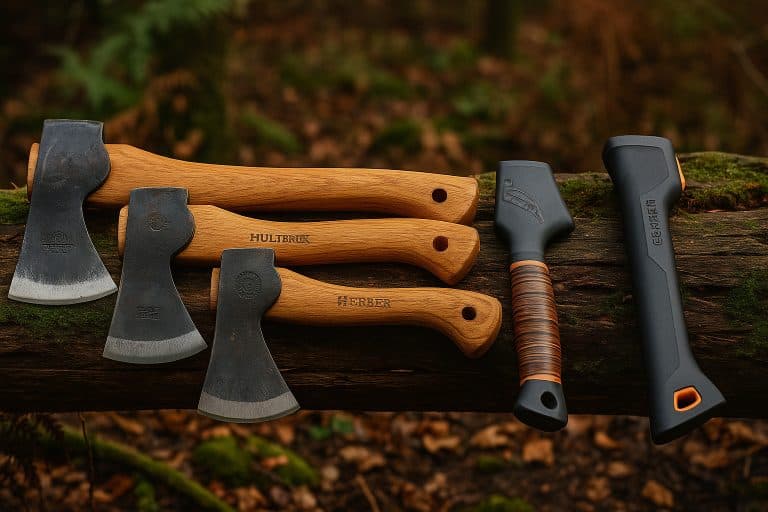
So while an axe to cut firewood is very nice to have, they would have to weigh the convenience of having one to the space it would occupy in a pack. Would a machete be better? Can I get by with just a knife? What other gear could I take if I don’t bring an axe?
- Tools like the Gränsfors Bruk Wildlife Hatchet are compact and powerful—but may not fit every pack.
- Many opt for a more space-saving option like the Condor Golok Machete, which offers impressive chopping ability.
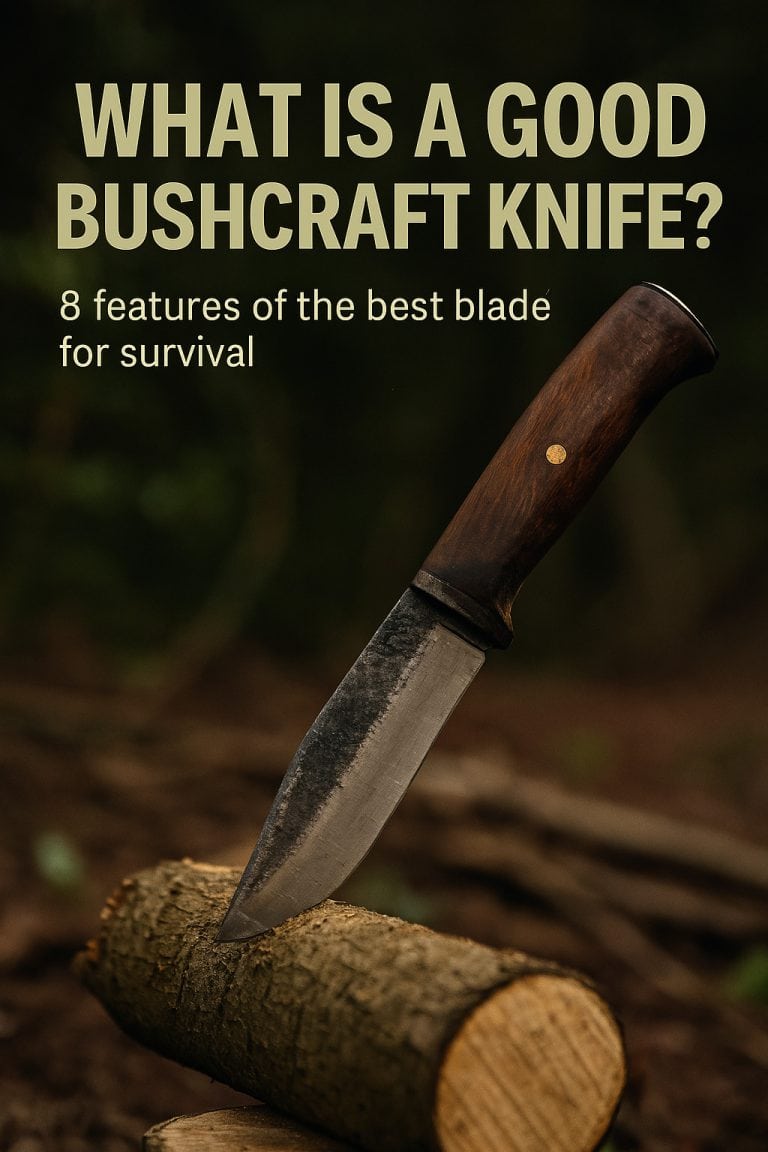
- A solid all-around blade like the Morakniv Companion balances quality and affordability.
There are also financial considerations. Should you buy a $30 knife or do you need to spend $100? I am of the opinion that you should buy the highest quality equipment you can afford. If you are going to spend any substantial time using it, buying low-quality gear will at the bare minimum frustrate you and could put you in danger if you are relying on it. Always remember that equipment can and will fail and when it happens, you will have to have the knowledge to replace it.
If you’re wondering what blade to rely on, check out our guide to the best bushcraft knives under $50.
A packable filter like the Sawyer Mini Water Filtration System makes clean hydration easy in the field.
Starting fires with minimal gear? Try the Bayite ½” Ferro Rod for thousands of strikes in any condition.
Watch the Weather: Nature Isn’t Always Friendly
While bushcraft teaches you how to handle the wild, no amount of gear or experience can override the dangers of severe weather. From hypothermia-inducing rainstorms to deadly lightning strikes or flash floods, it’s critical to know what you’re walking into—before you go off-grid.
Make it a habit to check the National Weather Service’s Safety Page for real-time alerts, storm forecasts, and preparedness tips before heading out. Understanding the risks can help you avoid dangerous conditions—or at least prepare properly.
Conclusion
To summarize, the knowledge and gear required to have a successful bushcraft experience varies with the time and conditions. Don’t let a knowledge gap or the lack of the latest gear keep you from enjoying the wilderness. Start with a day hike. Go camping with someone more knowledgeable than you are.
My goal here at bestbushcrftgear.com is to offer tips, tricks, gear reviews, and books to help you gain the knowledge and gear you need to enjoy the outdoors more. The first step is to just get outside. Maybe I’ll get to see you out there.