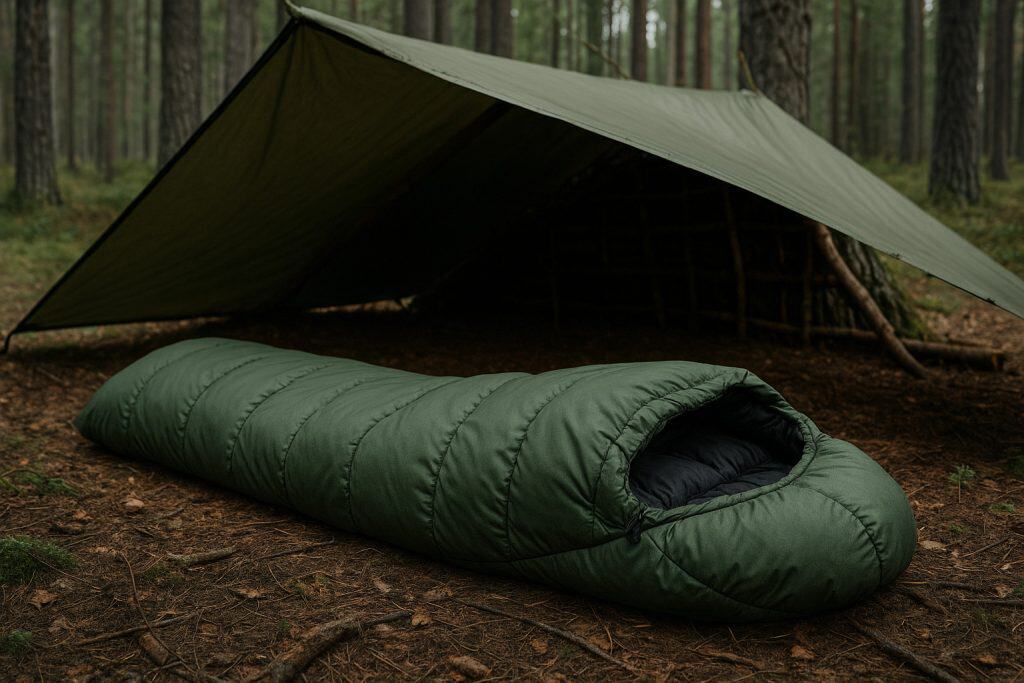
When the temperature drops below freezing, your sleeping bag becomes more than just a comfort item — it becomes a survival tool. Whether you’re spending a crisp fall night under a tarp or enduring a sub-zero winter campout, choosing the right sleeping bag is critical to staying safe and rested.
In this guide, I’ll walk you through the best bushcraft sleeping bags for cold weather, what features to look for, and why a warm night’s sleep could be your most valuable gear asset.
❄️ What Makes a Sleeping Bag “Bushcraft-Ready”?
- Temperature rating: Aim for a bag rated 10°F lower than the coldest temps you expect
- Shape: Mummy bags retain heat better; rectangular bags offer more space but lose warmth faster
- Insulation: Down is warmer and lighter, but synthetic performs better when wet
- Durability: Reinforced stitching, ripstop fabrics, and tough zippers make a difference
- Packability: You need to be able to stuff it down — especially if you’re carrying it long distances
🏕️ Best Bushcraft Sleeping Bags for Cold Weather
🥇 Best Overall: OneTigris Light Patrol 4-Season Sleeping Bag
This new all-season offering from OneTigris is a solid performer for cold-weather bushcraft. Designed for snug warmth and durability, the Light Patrol holds up to repeat use and rough camp setups. It’s ideal for fall to spring bushcraft trips where conditions can shift quickly.
- Temperature rating: 32°F to 68°F (0°C to 20°C)
- 300T ripstop pongee shell with water-repellent coating
- Soft cotton fill — warm and quiet for sleeping
- Dual YKK zippers for easy adjustment
- Compression sack included, total weight ~3.15 lbs
Its mummy shape retains body heat effectively without feeling too tight, and the camo color blends right into natural surroundings — ideal for stealth camping or backcountry excursions.
🥈 Best for Sub-Zero Conditions: TETON Sports ALTOS -10°F Sleeping Bag
This is a true cold weather beast. If you’re winter camping or heading into alpine conditions, this bag brings serious insulation with a tough build.
- Rated to -10°F
- Water-resistant shell
- Roomy footbox and draft collar
- Synthetic fill resists moisture better than down
💰 Best Budget Pick: REDCAMP Cotton Flannel Sleeping Bag
Great for shoulder seasons and car-based bushcraft camps. Not ideal for ultralight setups, but solid comfort and warmth for under $70.
- Rated for 0°C / 32°F
- Cotton flannel lining for comfort
- Rectangular shape — bulkier but more comfortable
🌡️ Best Ultralight Option: Naturehike CW280 Down Bag
Excellent for minimalist bushcraft and moderate cold. Packs tiny and weighs under 2 lbs.
- 800-fill down insulation
- Rated to 40°F
- Use with bivy or thermal liner in colder months
🔧 Add-Ons That Improve Warmth
Even the best bushcraft sleeping bags sometimes need a little help.
- Sleeping pad or mat: Insulates from the cold ground
- Emergency bivy sack: Reflects body heat and blocks wind
- Wool socks and beanie: Crucial for head and foot warmth
- Hot water bottle trick: Fill a Nalgene with hot water, wrap in a sock, and place in your bag
🔥 Real Talk: One Night That Taught Me a Lesson
On one trip in the Blue Ridge Mountains, I underestimated the nighttime lows. My bag was rated for 30°F, and the temp dipped to 19°F with wind. I didn’t have a pad, and my tarp setup let in a draft.
I barely slept, kept shivering, and woke up damp and sore. Lesson learned: temperature ratings are survivability ratings — not comfort ratings.
Now, I pack gear assuming the worst-case scenario. If I’m not sweating a little in the first 10 minutes, I’m probably not warm enough for the night ahead.
🧊 How to Choose the Right Temperature Rating
When a sleeping bag says it’s rated to 20°F, that doesn’t mean you’ll be warm and cozy at 20°F — it means you’ll survive. This is what manufacturers call the “lower limit” or “survivability rating.” If you want comfort, especially if you’re a cold sleeper or not used to extreme conditions, look for a bag rated 10–15 degrees below the coldest temperature you expect to face.
Also, factor in your shelter and sleep system. Are you using a bivy sack? Sleeping under a tarp with a fire? On snow or dry ground? These elements significantly affect how warm you’ll stay through the night. Cold seeps in from the ground more than the air, so a quality sleeping pad paired with your bag can make or break your comfort.
🪶 Down vs. Synthetic Insulation: What’s Best for Bushcraft?
There’s a long-running debate between down and synthetic insulation — and in bushcraft, there’s no one-size-fits-all answer. Each has strengths and tradeoffs.
Down insulation is lighter and more compressible, making it a great choice for long treks and minimal pack space. However, it loses its insulating power when wet unless treated (look for hydrophobic down). It’s also usually more expensive.
Synthetic insulation, on the other hand, retains warmth even when wet and dries faster. It’s bulkier and heavier, but often more affordable and more forgiving in rainy or snowy environments. For bushcraft where conditions can get damp and unpredictable, synthetic is a safe bet — though ultralight hikers might still opt for down with careful moisture management.
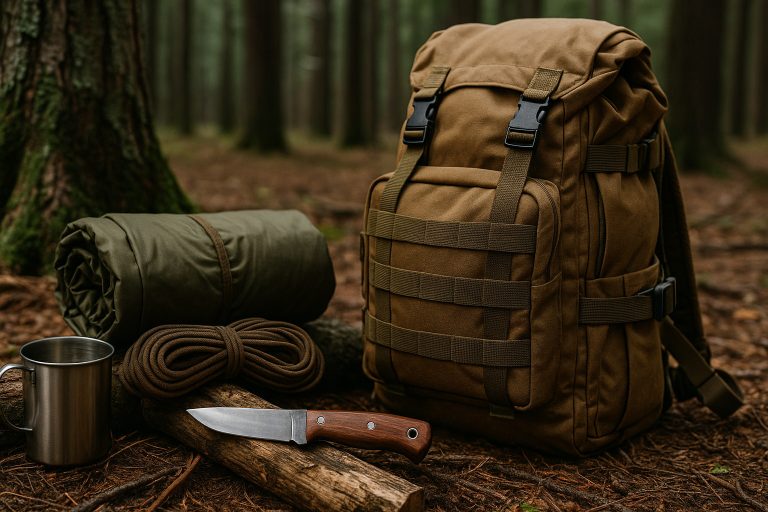
🎒 Cold Weather Bushcraft Sleeping Gear Checklist
Here’s a quick gear checklist I use when packing for cold weather bushcraft trips:
- ⛺ Sleeping Bag: Rated 10–15°F lower than forecast lows
- 🛏️ Sleeping Pad: Closed-cell foam or inflatable with R-value 3.5+
- 🛡️ Bivy Sack or Tarp: Extra protection from wind and rain
- 🧤 Wool Hat & Socks: Essential for body heat retention
- 🔥 Fire Setup: Ready-to-go fire lay and dry tinder
- 💧 Nalgene Bottle: Doubles as a foot-warmer with hot water
- 🪢 Paracord: For ridgelines, tie-outs, or emergency fixes
This full kit doesn’t add much weight but dramatically boosts warmth and sleep quality. Many cold-weather mishaps can be avoided by fine-tuning your sleep system and ensuring your insulation layers work together.
🧭 Final Thoughts
Cold weather bushcraft is no joke. Without proper insulation, even a beautiful night can turn into a dangerous one. Choosing the best bushcraft sleeping bags — and knowing how to use them well — is essential to staying warm, safe, and well-rested.
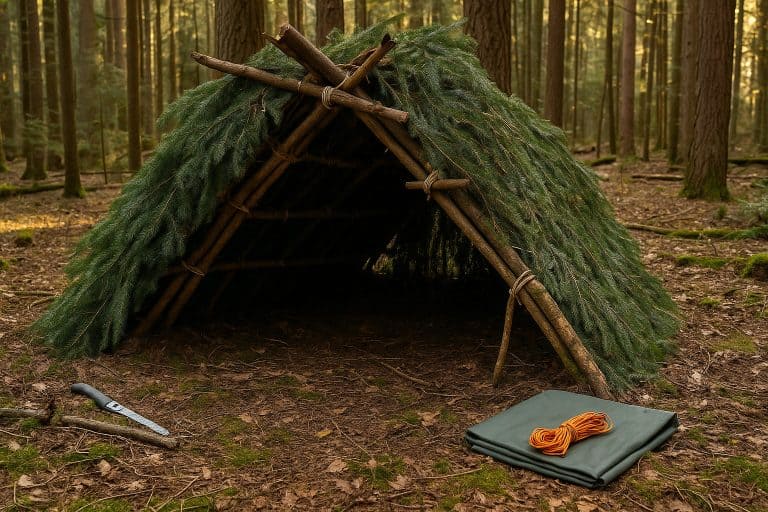
If you’re building out your winter shelter system, pair your bag with a solid tarp setup:
Best Bushcraft Tarps Guide
Want to take your shelter skills further?
How to Build a Bushcraft Shelter
Also see our advice on
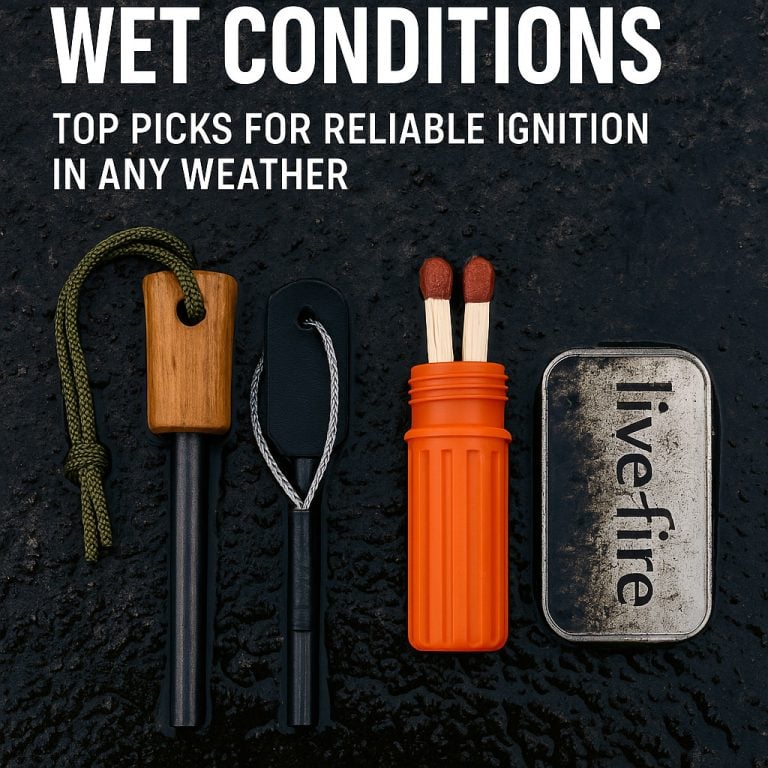
Best Fire Starters for Wet Conditions
📚 For proper backcountry sleeping setup advice, check out the REI Guide to Sleeping Bags.
🧊 Cold weather safety starts with preparation. Read this winter camping safety overview from the National Park Service.